title
Articles, insights, and thoughts on web development, technology, and business solutions

Advanced PWA Features: Beyond the Basics
So, you've turned your website into a Progressive Web App. It has a manifest, a basic service worker, and it's installable. Congratulations—you've built the foundation. But the true power of a PWA lies in the features that create a rich, engaging, and resilient user experience, rivaling that of a native application.

PWA Security: A Deep Dive into Best Practices
Progressive Web Apps (PWAs) represent a powerful evolution of the web, blurring the lines between a browser tab and an installed, native application. They offer incredible features like offline functionality, push notifications, and home screen access. However, with this power comes a significant responsibility: securing an application that lives in a more persistent and trusted space on a user's device.
When to Choose a PWA vs. a Native App
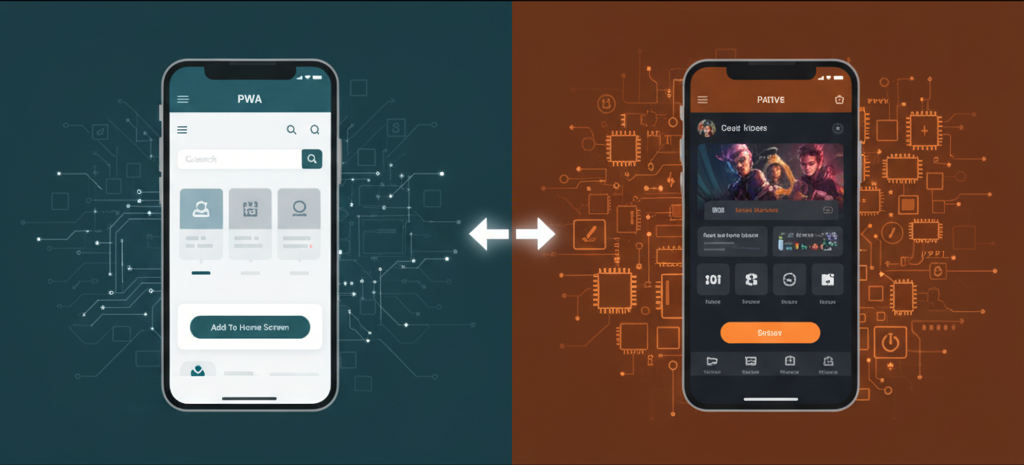
As a developer, one of the first and most critical decisions you'll make for a new project is the platform. Do you build a Progressive Web App (PWA) to maximize reach and streamline development, or do you go native to unlock peak performance and deep device integration? The "it depends" answer, while true, isn't very helpful.

How to Turn a Website into a PWA: A Step-by-Step Guide
In my last post, we explored *why* Progressive Web Apps (PWAs) are a compelling future for cross-device development. We talked about their reliability, speed, and engaging, native-like features. Now, it’s time to move from the "why" to the "how."

Why PWAs Might Be the Next Big Thing in Cross-Device Development
Progressive Web Apps (PWAs) often get described as "websites that act like apps." But the truth is, they’re more than that. They represent a shift in the way we think about building for multiple platforms without losing our sanity over endless device fragmentation.